
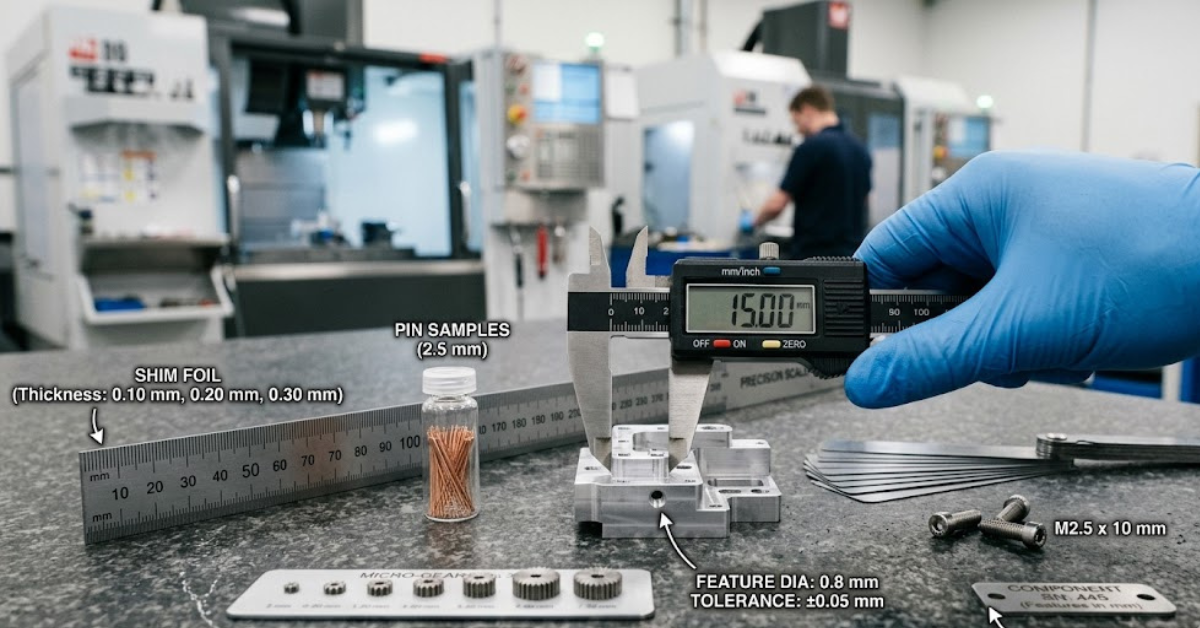
If you’ve ever tried converting millimeters into inches, you know it can get confusing—especially when working on DIY projects, technical drawings, or everyday measurements.
In this guide, we’ll make the process simple. You’ll learn how to switch between metric and imperial units, understand related conversions, and use quick formulas you can rely on in real life.
What is a Millimeter (mm)?
A millimeter is a small unit of length in the metric system. It’s widely used in engineering, construction, and manufacturing where precision matters.
To understand its scale:
- 10 mm = 1 cm
- 1000 mm = 1 meter
Millimeters are ideal for measuring very small lengths accurately.
Converting Millimeters to Inches
The standard relationship between these units is:
1 inch = 25.4 mm
To convert millimeters into inches:
Formula:
inches = mm ÷ 25.4
Example:
50 mm ÷ 25.4 = 1.97 inches
This simple formula works for any measurement conversion between the two systems.
Converting Inches to Millimeters
To reverse the process:
Formula:
mm = inches × 25.4
Example:
2 inches × 25.4 = 50.8 mm
This method is widely used in engineering, design, and product specifications.
Common Fractional Inch Conversions
Here are some frequently used values:
- 1 inch = 25.4mm
- 1/4 inch = 6.35mm
- 1/8 inch = 3.175mm
- 3/8 inch = 9.525mm
- 5/16 inch = 7.9375mm
- 5/8 inch = 15.875mm
These are especially useful in construction and mechanical work.
Other Useful Metric Conversions
Small Units
- 10 mm = 1 cm
- Divide by 10
Larger Units
- 1000 mm = 1 meter
- Divide by 1000
Feet Conversion
- 1 foot = 304.8mm
- Divide mm by 304.8
Quick Approximation Tips
When exact precision isn’t required, these shortcuts can help:
- 1 inch ≈ 25mm
- 10 mm ≈ 0.4 inches
- 100 mm ≈ 3.94 inches
Why These Conversions Matter
Understanding how metric and imperial systems relate is useful in many situations:
- DIY home projects
- Buying tools or materials online
- Engineering and design work
- Construction measurements
- Reading technical specifications
Different countries use different systems, so being comfortable with both is very practical.
Frequently Asked Questions
How many millimeters are in an inch?
1 inch equals exactly 25.4mm.
What is the quickest way to convert millimeters to inches?
Divide the value by 25.4.
Is a millimeter smaller than a centimeter?
Yes. 10mm equals 1 cm.
How do I convert centimeters to millimeters?
Multiply by 10.
Why is 25.4 used in conversions?
It is the internationally accepted standard between the two measurement systems.
Conclusion
Converting between metric and imperial units doesn’t have to be complicated. With one simple formula, you can easily switch between them for everyday tasks, work, or study.
Keeping these basic conversions in mind will help you handle measurements more confidently and avoid mistakes.