Ever wondered what 30 inches actually looks like in real life? It’s a common question when shopping for furniture, comparing objects, or trying to understand measurements without a ruler.
People often search for this topic because numbers alone can feel abstract. Real-world comparisons make it much easier to visualize the size in everyday situations.
In this guide, we’ll break it down in a simple way so you can quickly understand and recognize this length in real life.
Understanding What 30 Inches Means
Before looking at examples, it helps to understand the measurement itself:
- 30 inches = 2.5 feet
- About 76 centimeters
- Slightly shorter than a yardstick
- Roughly from waist to floor height for many adults
This makes it a fairly common size in home items, furniture, and equipment.
Household Examples
Many everyday objects fall around this length or height range.
Kitchen and Home Items
- Some kitchen counter sections and lower surfaces
- Compact storage shelves
- Small window curtain rods
Furniture Pieces
- Narrow bedside tables or small desks
- Compact storage cabinets
- Certain decorative stands
These items are designed to fit small or efficient living spaces.
Furniture and Seating
Furniture often uses this size range for comfort and practicality.
- Counter-height bar stools (seat height around this range)
- Compact apartment furniture
- Small organizer units
This measurement helps balance usability and space-saving design.
Sports and Recreational Items
Several sports tools and gear fall near this size.
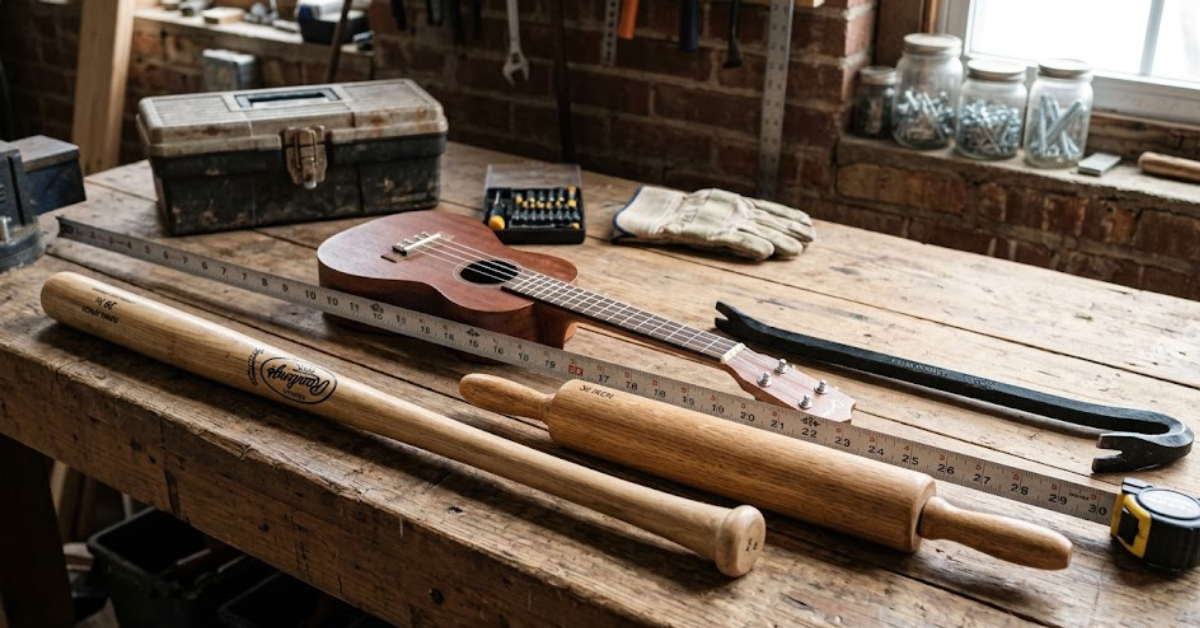
- Youth baseball bats
- Training equipment for beginners
- Some skateboard lengths are slightly above this range
These comparisons help in understanding sizing for beginners and kids.
Travel and Clothing-Related Items
Some travel and clothing items also relate closely to this measurement.
- Medium to large suitcase heights (depending on design)
- Tailored coat or dress lengths in some cases
While not exact, they help in visualizing the scale.
Easy Ways to Visualize 30 Inches
Here are simple mental comparisons:
- About two school rulers placed end to end
- Slightly longer than a guitar body (without the neck)
- Roughly the width of a small TV stand
- About waist-level height for many people
These comparisons make it easier to estimate without tools.
Why This Measurement Is Useful
Understanding this size helps in everyday situations like:
- Buying furniture online
- Planning room layouts
- Choosing sports equipment
- Estimating storage or luggage space
It reduces guesswork and improves decision-making.
Common Mistakes
People often misunderstand this measurement by:
- Confusing inches with centimeters
- Mixing up length, height, and width
- Overestimating or underestimating size visually
- Ignoring object proportions
Being aware of these mistakes improves accuracy.
FAQs
What are common examples of this size?
Bar stools, small tables, youth sports equipment, and compact furniture pieces.
How much is it in feet?
It equals 2.5 feet.
Is this considered large or small?
It is generally a medium-sized measurement depending on the object.
How can I visualize it easily?
Think of two rulers placed end to end or a slightly longer guitar body.
Why do people search for this?
Mostly to compare real-world objects and understand measurements better.
Conclusion
Understanding this measurement becomes much easier when you connect it to real-life objects instead of just numbers. From furniture and sports gear to household items, this size appears in many everyday things.
With simple comparisons, you can quickly estimate it without needing tools—and make better decisions when shopping or planning space.