
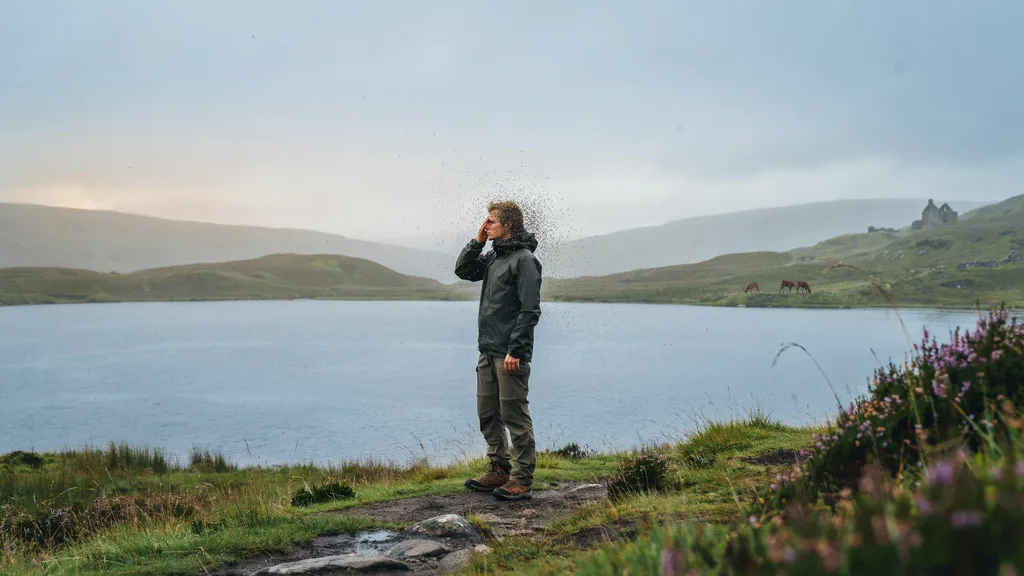
Scotland is a magic place with green hills, deep blue lochs, and old stone castles. But when summer comes around, a very small bug wakes up. People call this tiny creature the Highland midge. Knowing about Midge Season Scotland helps you plan your trip so you can have fun without getting itchy bumps. These tiny flies are very small, much smaller than regular mosquitoes. Even though they do not carry any bad sickness, their large groups can still ruin a nice outdoor picnic if you do not know how to handle them.
When Does Midge Season Start?
The bug season usually starts in late spring, around the middle of May. When the winter cold goes away and the ground gets warm and damp, the baby bugs start to hatch. May is actually a very nice time to visit because the weather is cool and the bugs are not angry yet. You can walk for miles and barely see any of them. But as the weeks pass and summer brings warm rain and cloudy skies, their numbers grow very fast.
The Peak Months of July and August
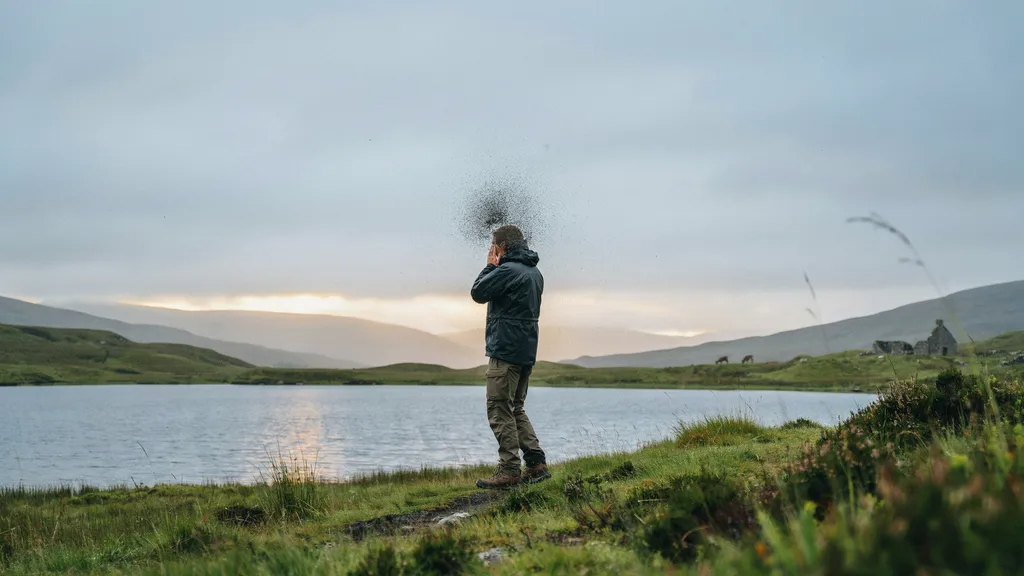
July and August are the true peak months for these tiny pests. The weather gets warm and humid, which is the favorite kind of air for a midge. If you visit the west coast or walk near wet woods during these months, you might see thick clouds of them in the air. They love days that have no wind and thick cloud cover. If the sun comes out bright and strong, they tend to hide in the shade of trees and tall grass where the air stays wet and cool.
When Do They Come Out to Play?
Midges do not like bright sunshine or dry air. They prefer to come out during the soft light of dawn and dusk. Early in the morning before the sun climbs high, or late in the evening when the light fades, they look for food. If the sky is gray and cloudy all day, they might stay out longer. Learning their daily routine helps you plan your outdoor walks for the middle of the day when the sun is bright and the air is dry.
Where Are the Biggest Hotspots?
Not all parts of Scotland have the same number of bugs. The western parts and the lovely Highlands are the main homes for these swarms. Places like the Isle of Skye, Glencoe, and Loch Lomond have lots of wet peat soil and moss. This wet and boggy ground gives the bugs a safe place to lay their eggs. On the other hand, the east coast of Scotland and big cities like Edinburgh get much less wind-driven rain and have fewer wet woods, making them much safer from big bug groups.
Why Wind Is Your Best Friend
These tiny insects have very small wings. They are not strong flyers at all. In fact, if the wind blows faster than seven miles per hour, they cannot fly straight and they stay on the ground. When you go for a hike, keep moving fast because they cannot catch up to you when you walk or bike. If you stop for a snack, try to sit in an open, windy spot on top of a hill instead of a quiet, sheltered corner near the trees.
The Magic of Bug Sprays
When the air is still and the bugs find you, a good spray is very helpful. Many people in Scotland love using a special lotion called Smidge because it stops the bugs from smelling your breath. The bugs find us by following the carbon dioxide we breathe out into the air. Special sprays confuse their little senses so they cannot find your skin. Always pack a small bottle in your bag just in case you run into a heavy cloud of them near a water stream.
Dress Smart in Light Colors
What you wear makes a big difference when you explore the Highlands. Midges love dark colors like black and dark blue. Try to wear light-colored shirts and long pants made of tight cloth. Tucking your socks over your pant legs also stops them from reaching your ankles. If the swarm is very thick near a lake or a forest camp, wearing a simple head net over a sun hat gives your face complete safety and feels very easy to wear.
How to Enjoy Camp Life Safely
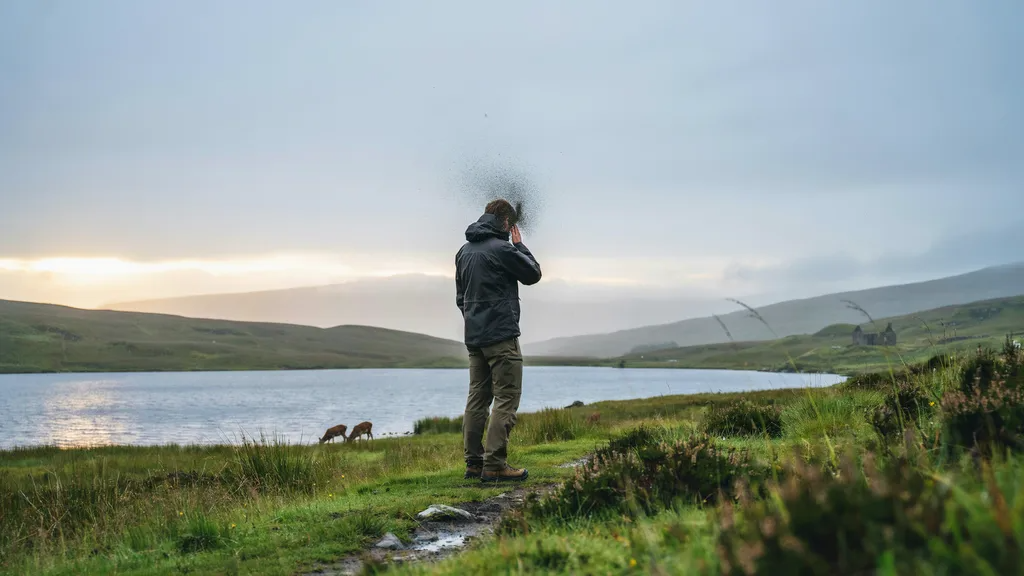
Setting up a tent during summer in the hills requires a little bit of care. Try to cook your food and sit outside during the bright midday hours when the bugs are resting in the grass. Keep your tent zips closed all the time so the tiny bugs do not sneak inside your sleeping area. If you follow these simple habits, you can enjoy roasting marshmallows and watching the sunset without any annoying buzzing or scratching later.
When Does the Season Finally End?
As September arrives, the days get shorter and the air starts to cool down. The big swarms begin to fade away as the temperature drops below what they need to stay active. By the middle or end of September, most of the bugs are gone for the year. This makes early autumn a wonderful time for a quiet road trip or a long hike through the colorful glens without needing any bug lotion at all.
Complete Detailing Table
| Time of Year | Bug Activity Level | Best Travel Strategy |
| April to Early May | None to Very Low | Perfect time for hiking with zero bug worries. |
| Mid-May to June | Low to Medium | Great weather, light morning and evening activity. |
| July to August | Maximum Peak | Use strong bug sprays, wear long clothes, stay in the wind. |
| September | Fading Out | Numbers drop fast, great for late summer road trips. |
| October to March | Zero Activity | Completely bug-free winter months across all regions. |
Frequently Asked Questions
Do midge bites carry diseases?
No, Scottish highland midges do not carry any dangerous sickness or diseases. Their bites only cause small red dots and itchy feelings.
Why do only some midges bite you?
Only female midges need a meal of blood so they can grow their tiny eggs. The male midges just drink flower nectar and do not bite humans.
Will a slight breeze really keep them away?
Yes! Because their wings are so small, they cannot fly or steer well if the wind speed is above seven miles per hour.
What is the best way to treat a midge bite?
Wash the spot with clean water and put on a mild anti-histamine cream. Try your best not to scratch the skin to let it heal fast.
Are midges found in Scottish cities?
No, urban centers like Edinburgh and Glasgow have very little vegetation and paved ground, making them safe from large swarms.
Can I escape midges by going higher up?
Yes, they prefer damp low-ground areas below 400 meters. Climbing up to a windy mountain summit usually leaves all the bugs far below you.
Conclusion
Scotland is waiting for you with wide-open spaces, friendly locals, and views that will take your breath away. Do not let the tiny highland bugs stop you from making amazing travel memories. By timing your walks for the windy afternoons, wearing light-colored clothes, and packing a trusted bug lotion, you can beat the swarm every single time. Grab your hiking shoes, book that trip to the Highlands, and enjoy the adventure of a lifetime!