
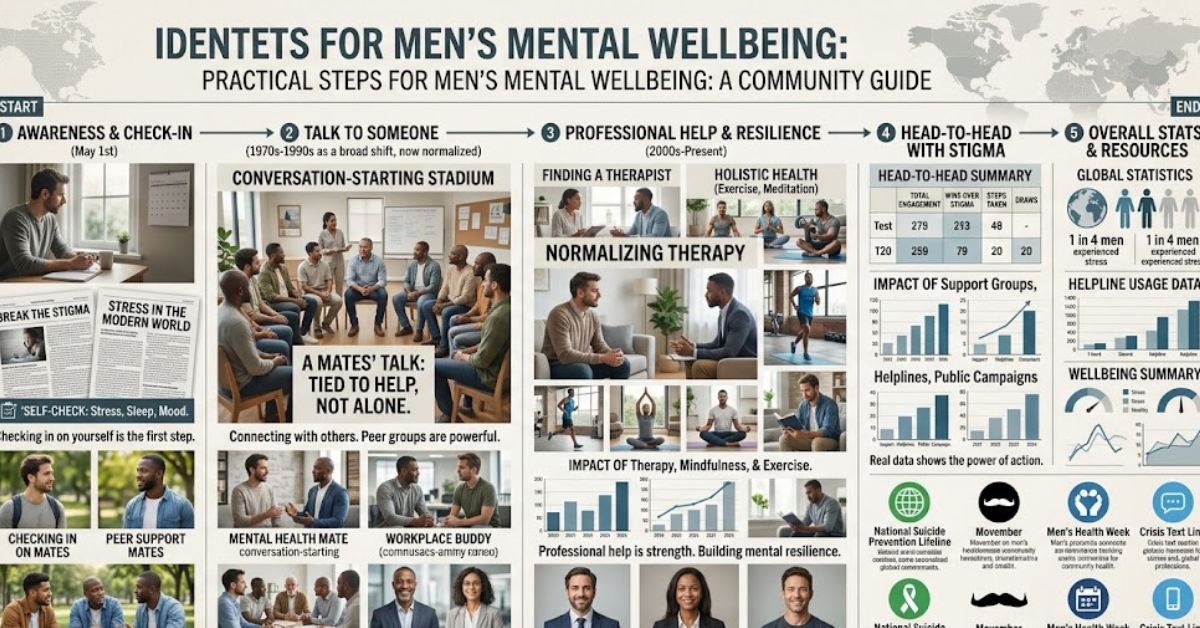
Mental health conversations have become more open in recent years, but many men still struggle in silence. That’s exactly why awareness campaigns focused on emotional well-being matter so much. They shine a spotlight on stress, depression, anxiety, and the social pressures many men face every day.
This growing movement encourages men to speak openly, seek support, and prioritize emotional wellness without shame or stigma.
In this article, we’ll explore the history behind the awareness campaign, why it matters, common mental health challenges men experience, and practical ways to support well-being.
What Is Men’s Mental Health Awareness Month?
This awareness campaign focuses on educating people about men’s emotional and psychological health.
Main goals include:
- Reducing stigma around therapy and emotional struggles
- Encouraging men to ask for help
- Promoting healthy coping strategies
- Raising awareness about depression, anxiety, and suicide prevention
Many people ask which month recognizes men’s mental wellness awareness. In many countries, including the United States, June is commonly associated with men’s health initiatives, including emotional well-being campaigns.
When Is Men’s Mental Health Awareness Recognized?
A common question online is about the timing of these campaigns.
The answer:
- June is widely recognized as Men’s Health Month
- Mental wellness campaigns for men receive major attention during June
- November also supports awareness efforts because of initiatives like Movember
This explains why both June and November are linked to emotional wellness discussions.
The Origin of Mental Health Awareness for Men
The movement grew from increasing recognition that men often face unique emotional pressures.
Historically, many societies encouraged men to:
- Hide emotions
- Avoid vulnerability
- “Stay strong” regardless of struggles
Over time, experts noticed that these expectations often prevented men from seeking help.
Key reasons awareness campaigns expanded:
- Rising suicide rates among men
- Workplace stress
- Social isolation
- Relationship pressures
- Limited emotional support systems
Today, these efforts aim to normalize honest conversations about emotional health.
Why Many Men Avoid Talking About Emotions
One of the biggest issues these campaigns address is silence around mental struggles.
Many men avoid discussing emotional difficulties because of:
- Fear of judgment
- Cultural expectations
- Pressure to appear tough
- Difficulty expressing feelings
Unfortunately, avoiding these conversations can increase stress and anxiety over time.
Common Mental Health Challenges
Men experience many of the same conditions as women, but symptoms may appear differently.
Common struggles include:
- Depression
- Anxiety
- Burnout
- Anger issues
- Substance abuse
- Loneliness
Some people may not openly express sadness. Instead, symptoms can appear as:
- Irritability
- Withdrawal
- Overworking
- Sleep problems
- Aggressive behavior
Representation and Inclusive Support
Searches related to Black men’s emotional wellness have increased because representation matters.
Additional challenges may include:
- Social pressure
- Cultural stigma around therapy
- Economic stress
- Limited access to resources
Modern awareness campaigns increasingly promote inclusive support systems that reflect diverse experiences.
Signs Someone May Be Struggling
Emotional distress does not always look obvious.
Common warning signs:
- Constant fatigue
- Mood swings
- Loss of interest in hobbies
- Isolation from friends or family
- Increased anger or frustration
- Difficulty concentrating
Recognizing these signs early can make a major difference.
Healthy Ways to Support Emotional Wellness
Experts continue encouraging practical daily habits that improve mental well-being.
Helpful strategies:
- Talk openly with trusted people
- Exercise regularly
- Limit unhealthy coping habits
- Prioritize sleep
- Seek professional counseling if needed
- Take breaks from stress
Mental health care is not weakness—it is part of overall health.
Social Media and Online Awareness
Social platforms have helped normalize conversations about emotional wellness.
Popular trends include:
- Awareness posts and campaigns
- Educational videos
- Personal recovery stories
- Online support communities
- Mental wellness graphics
At the same time, people should separate real education from oversimplified advice online.
Awareness Symbols and Campaign Themes
Many organizations use symbols to spread visibility.
Common examples:
- Awareness ribbons
- Blue and green color themes
- Wellness graphics
- Digital campaigns and posters
Public interest in these symbols continues growing every year.
Why Awareness Matters for Younger Men
Younger generations discuss emotions more openly than previous generations.
Positive changes include:
- Greater acceptance of therapy
- Better mental health education online
- Athlete and celebrity advocacy
- Open discussions about anxiety and depression
This cultural shift continues reducing stigma.
Simple Ways to Support Someone
You do not need to be an expert to help someone emotionally.
Supportive actions include:
- Checking in regularly
- Listening without judgment
- Encouraging healthy habits
- Recommending professional support when needed
- Creating safe conversations
Sometimes, simply asking “How are you really doing?” can make a huge difference.
FAQs
1. What is Men’s Mental Health Awareness Month?
It is a campaign focused on emotional wellness, education, and support for men.
2. When is it recognized?
June is commonly associated with men’s health and emotional wellness initiatives.
3. Why is emotional wellness important for men?
It affects relationships, work, physical health, and overall quality of life.
4. What are common struggles men face?
Depression, anxiety, burnout, loneliness, stress, and emotional isolation are common challenges.
5. What is the purpose of awareness campaigns?
The goal is to reduce stigma and encourage people to seek support without shame.
Conclusion
Awareness campaigns focused on men’s emotional wellness are about more than social media trends or awareness posts. They help create a culture where people feel safe discussing struggles, asking for help, and prioritizing their well-being.
As conversations around mental health continue evolving, more individuals are realizing that strength does not mean staying silent. Real strength often begins with honesty, connection, and support.
Whether through therapy, healthier habits, honest conversations, or community support, every step toward better emotional health matters.