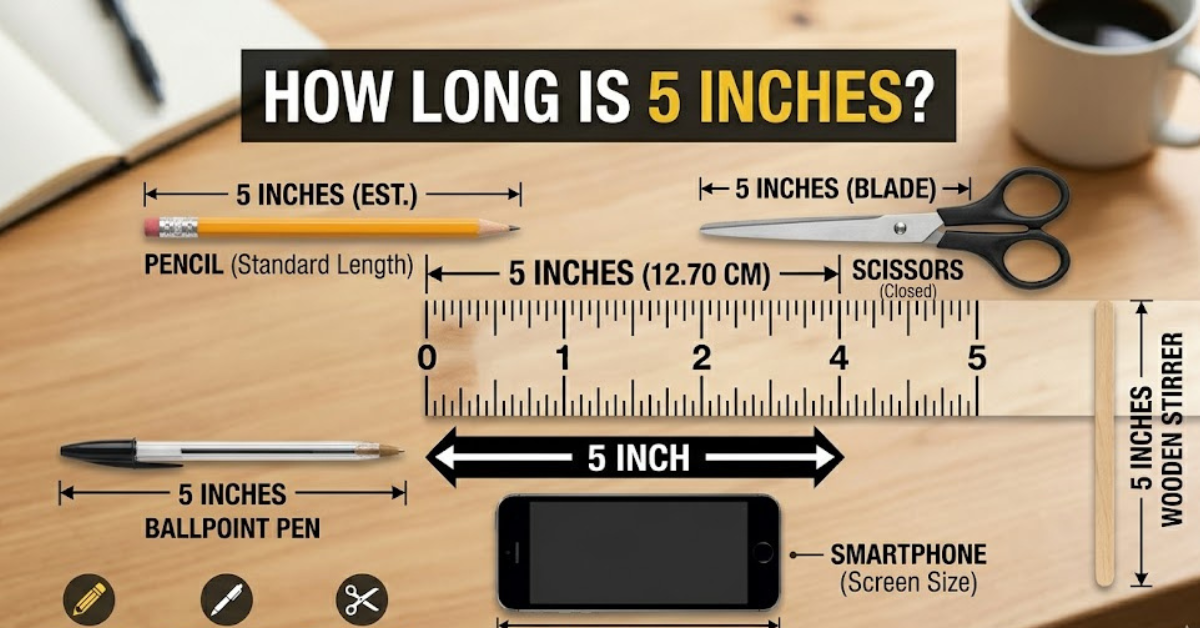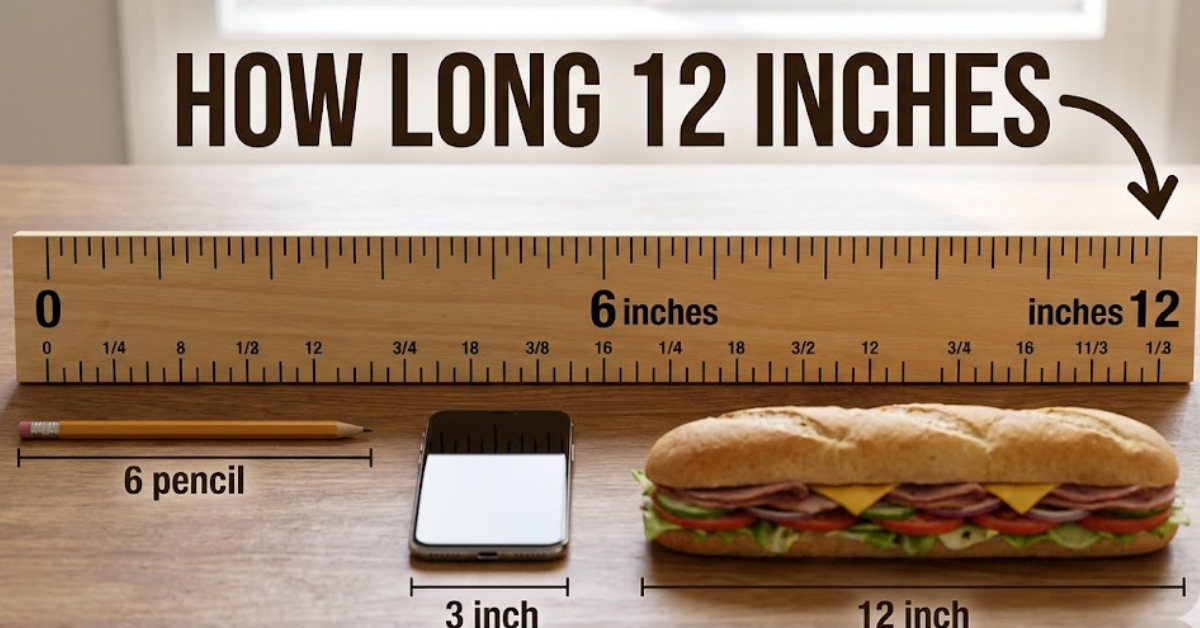
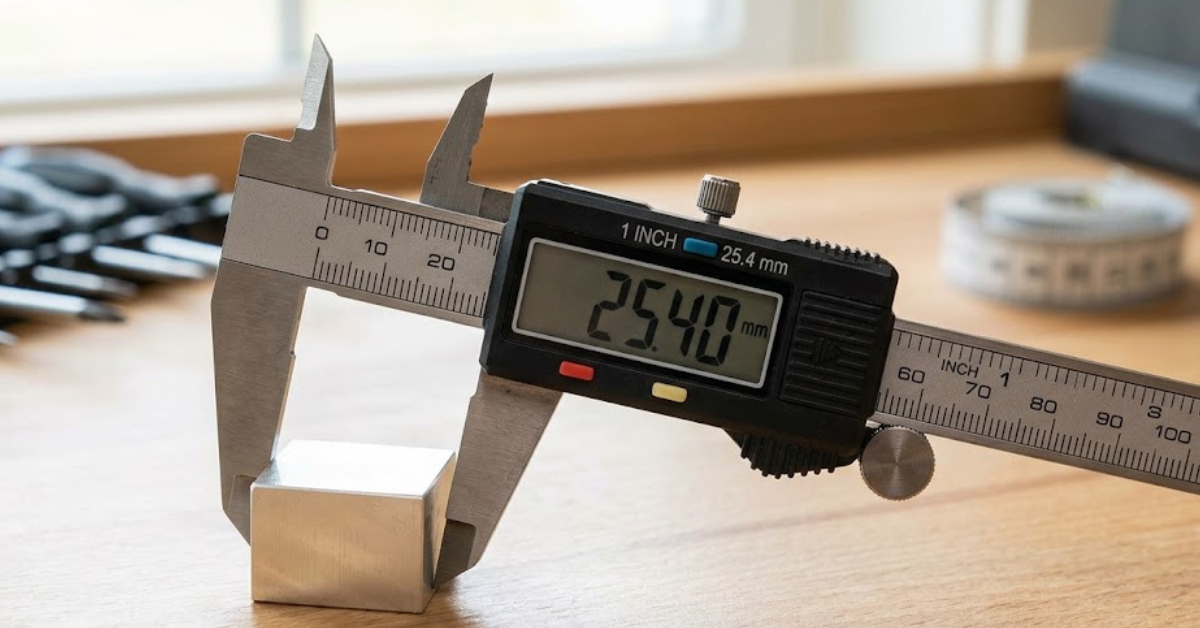
If you’ve ever used a ruler, tape measure, or DIY guide, you’ve probably wondered about inch-to-millimeter conversions. It’s a common question in schoolwork, engineering, and everyday measurements.
The quick answer:
1 inch = 25.4 millimeters (mm)
This is the exact, internationally accepted standard used worldwide.
What Does This Conversion Mean?
When people ask about inches to millimeters, they’re usually switching between two measurement systems:
- Imperial system (inches)
- Metric system (millimeters, centimeters, meters)
The key relationship is simple:
1 inch = 25.4 mm
So to convert inches into millimeters, you just multiply by 25.4.
Why Is 1 Inch Equal to 25.4 mm?
This value comes from an international agreement to standardize measurements across countries.
The breakdown is:
- 1 inch = 2.54 centimeters
- 1 centimeter = 10 millimeters
- Therefore, 1 inch = 25.4 millimeters exactly
This fixed value ensures consistency in engineering, manufacturing, and science worldwide.
Inches to Millimeters on Rulers and Tape Measures
On a standard ruler:
- 1 inch section = 25.4 mm
- Often divided into smaller millimeter markings
On a tape measure:
- Each inch is still 25.4 mm
- Smaller markings help show fractions of an inch more precisely
Metric tools are often preferred in technical fields because millimeters provide finer accuracy.
Common Inch to mm Conversions
Here are some useful examples:
- 1 inch = 25.4 milimeter
- 1.5 inches = 38.1 milimeter
- 1.25 inches = 31.75 mm
- 1.75 inches = 44.45 mm
So, for example:
- 1 inch and a half = 38.1 milimeter
- 1 inch and a quarter = 31.75 milimeter
Fractional Inches in Millimeters
Fractions are widely used in construction and carpentry. Here are quick conversions:
- 1/2 inch = 12.7 mm
- 1/4 inch = 6.35 mm
- 3/4 inch = 19.05 mm
The general formula remains:
inches × 25.4 = millimeters
Quick Mental Conversion Trick
If you don’t need perfect accuracy, you can estimate:
- 1 inch ≈ 25 milimeter
- 4 inches ≈ 100 milimeter
- 10 inches ≈ 254 milimeter
This makes quick calculations much easier in everyday situations.
Rain Measurement Example
Weather reports also use this conversion:
- 1 inch of rain = 25.4 milimeter of rain
So if a forecast says 2 inches of rain, that equals:
- 2 × 25.4 = 50.8 milimeter
Meteorologists often prefer millimeters because they offer more precision.
Where This Conversion Is Used
Understanding inch-to-milimeter conversion is helpful in:
- Construction and carpentry
- Engineering and design
- Tailoring and sewing
- Automotive work
- Weather measurements
Even small conversion mistakes can affect accuracy in real-world projects.
Simple Formula to Remember
The only formula you really need:
Inches × 25.4 = Millimeters
FAQs
1. What is an inch in millimeters?
An inch equals exactly 25.4 milimeter.
2. What is 1.5 inches in milimeter?
1.5 inches equals 38.1 milimeter.
3. Is 25 milimeter equal to 1 inch?
Not exactly. 1 inch is 25.4 milimeter, so 25 mm is only an approximation.
4. Why do we use 25.4 milimeter for an inch?
It is the internationally agreed standard for measurement consistency.
Conclusion
Now you understand the inch-to-millimeter conversion clearly. The key takeaway is simple and reliable:
1 inch = 25.4 mm exactly
Once you remember this, converting between inches and millimeters becomes quick and effortless in both daily life and technical work.