Want to taste something amazing? Let us talk about Food in Nigerian culture! Nigerian cooking is full of bright colors, rich spices, and big flavors that make every meal feel like a big party. From the busy streets of Lagos to quiet village kitchens, people cook with love, fresh vegetables, and tasty meats. If you love trying new meals, learning about food in nigerian traditions is a delicious adventure you will never forget.
What Makes Nigerian Cuisine So Special?
Nigerian meals are famous for bringing families together around the big table. Every region has its own special dish, but they all share a love for bold spices like scotch bonnets, ginger, and garlic. When exploring food in nigerian homes, you will notice how fresh ingredients like yams, beans, and plantains take center stage. Cooking here is an art passed down from parents to kids, making every single bite full of history and warm family traditions.
Jollof Rice: The Ultimate West African Favorite
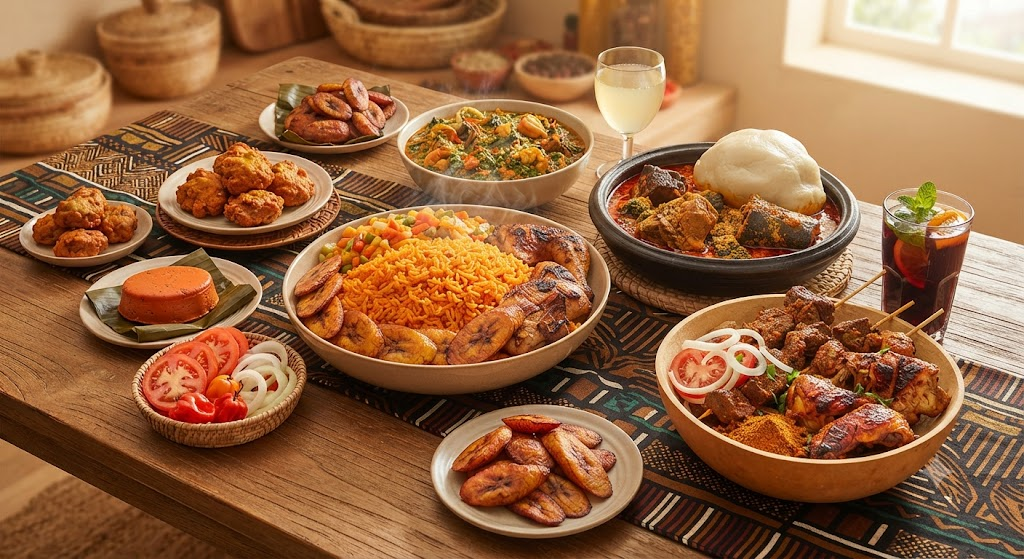
No talk about food in nigerian recipes is complete without the famous Jollof Rice. This is a one-pot rice dish cooked in a rich, smooth tomato and pepper sauce with onions and tasty spices. The secret to great Jollof is letting the bottom get just a little bit smoky over an open fire. People across the country love to argue about who makes the best Jollof, but sharing a plate with friends is always pure joy.
Pounded Yam and Egusi Soup: A Match Made in Heaven
If you want a truly comforting meal, you must try pounded yam with Egusi soup. Pounded yam is made by boiling yams until they are soft and pounding them into a smooth, stretchy dough. You pinch off a small piece, roll it into a ball, and use it to scoop up rich Egusi soup. Egusi is made from ground melon seeds mixed with spinach, palm oil, and tender chunks of beef or fish. It is a warm, filling classic.
Suya: The Spicy Street Food Sensation
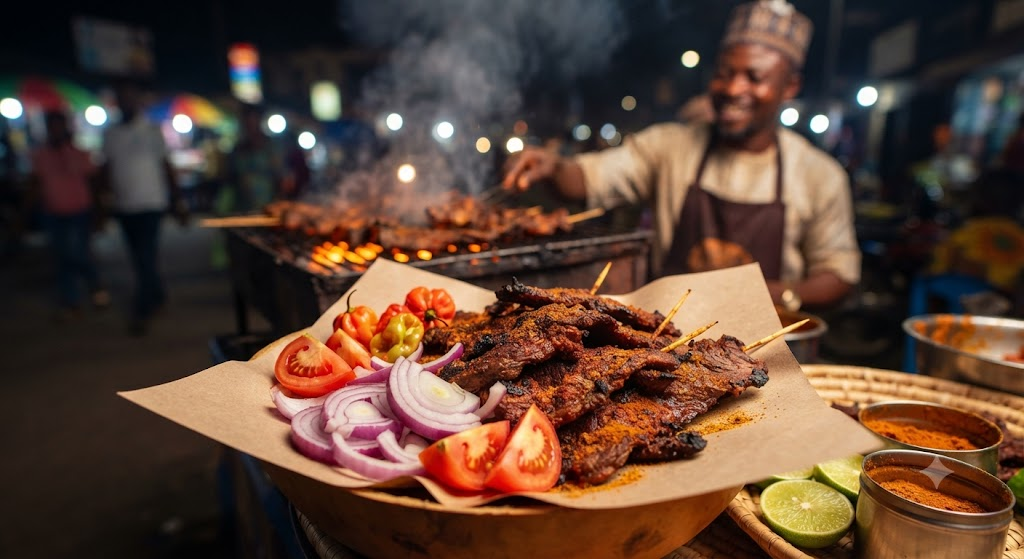
When the sun goes down, the streets come alive with the wonderful smell of Suya. This is a popular street snack made from thin slices of beef or chicken coated in a spicy peanut rub called Yaji. The meat is grilled slowly over hot coals until it is smoky and tender. Served with fresh sliced onions and juicy tomatoes, trying Suya is a must-do part of any food in nigerian street food adventure.
Moin Moin: Steamed Bean Pudding
Moin Moin is a savory and protein-packed steam-cooked bean cake that everyone loves. Cooks soak black-eyed peas, peel them, and blend them with peppers, onions, and spices. The smooth batter is poured into small banana leaves or ramekins and gently steamed until firm. It has a soft, custard-like texture and pairs wonderfully with jollof rice, fried plantains, or even a hot bowl of oatmeal on a cozy morning.
Pepper Soup: The Ultimate Comfort Bowl
When rainy days arrive or someone feels under the weather, a hot bowl of Nigerian pepper soup is the best cure. This clear, spicy broth is packed with fresh herbs, garlic, and special local spices that clear your head instantly. You can make it with catfish, goat meat, or chicken. Each spoonful warms you up from the inside out and proves that food in nigerian kitchens can heal both the body and the soul.
Puff Puff: The Sweet Golden Snack
If you have a sweet tooth, Puff Puff will quickly become your favorite snack. These are round, golden balls of fried dough that are crispy on the outside and soft like a cloud on the inside. Made from a simple mix of flour, sugar, yeast, and warm water, the batter is dropped hot into oil until it puffs up. Kids and adults alike line up at outdoor markets just to grab a warm paper bag full of them.
Plantains: The Versatile Tropical Fruit
Plantains look like big bananas, but they are cooked more like a vegetable. When they are green and firm, people slice and fry them into crunchy chips called Dodo chips. When they turn yellow and ripe, frying them makes sweet, caramelized slices that melt in your mouth. No food in nigerian gathering is complete without a side dish of golden fried plantains sitting right next to the main course.
Zobo Drink: A Cool and Fruity Refreshment
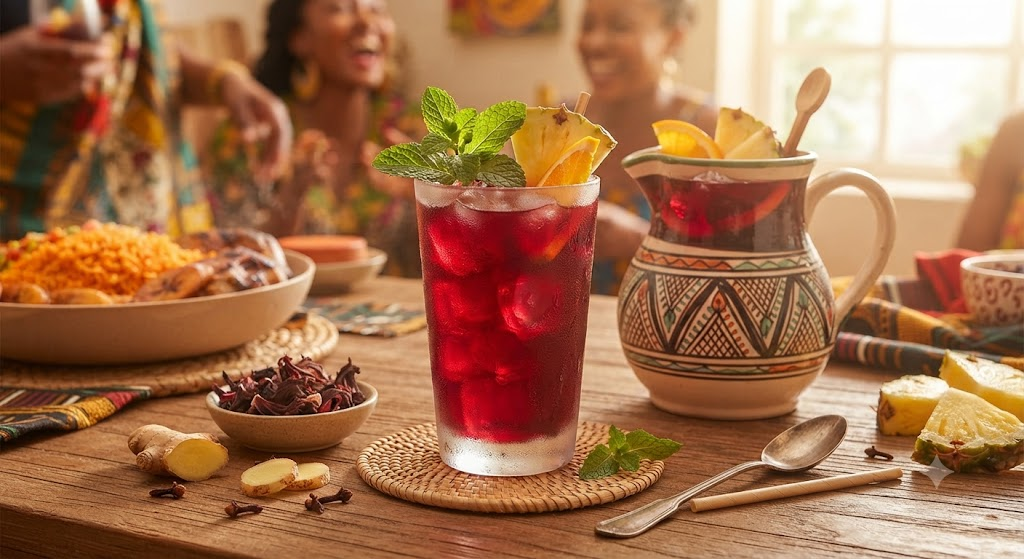
To wash down all these spicy and savory dishes, nothing beats a cold glass of Zobo. This vibrant red drink is brewed from dried hibiscus flowers mixed with fresh ginger, cloves, and sweet fruit juices like pineapple or orange. It is naturally tart, deeply refreshing, and served ice-cold on hot afternoons. It is a homemade drink that brings instant relief and brightens up any family celebration or holiday party.
Conclusion
Exploring food in nigerian culture is a wonderful journey filled with rich spices, colorful vegetables, and deep traditions. Every dish tells a story of community, family, and celebration. Now that you know about these tasty meals, which one are you going to try first? Grab your apron, visit a local African market, or cook up a fresh batch of plantains and join the delicious fun today!
Frequently Asked Questions
What is the most popular food in Nigeria?
Jollof rice is widely considered the most popular and beloved dish in the country, enjoyed at almost every party and family gathering.
Is Nigerian food very spicy?
Many traditional dishes use scotch bonnet peppers for heat, but the spice level can easily be adjusted to suit your personal taste preferences.
What are the main ingredients in Nigerian cooking?
Common ingredients include yams, beans, plantains, cassava, tomatoes, palm oil, and a wide variety of aromatic local spices and fresh meats.
How do you eat traditional Nigerian meals like fufu?
You typically use your right hand to pinch a small piece of the dough, shape it into a small ball, press your thumb into the center, and scoop up rich soup.
What is Egusi soup made of?
Egusi soup is made from ground melon seeds, leafy greens like spinach or bitterleaf, palm oil, stockfish, and tender cuts of beef or goat meat.
Where can I try authentic Nigerian dishes?
You can find authentic dishes at specialized West African restaurants, local cultural food festivals, or by following online home-cooking recipe guides.